Wellbeing Natural Therapies
CLINICAL REFLEXOLOGY & REIKI THERAPIST IN BIDEFORD, NORTH DEVON
SUPPORTING WOMEN FROM BIDEFORD, BARNSTAPLE AND NORTH DEVON WITH ANXIETY, STRESS, TENSION AND HORMONAL CHANGE.
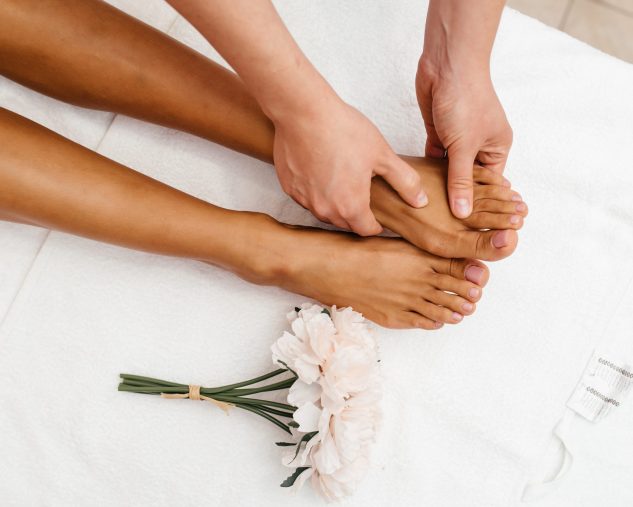
Clinical Reflexology in Bideford, North Devon
Supporting clients from Barnstaple and across North Devon.
Clinical reflexology in Bideford, North Devon, delivered with over ten years of hands-on clinical experience. I support women who have been carrying stress, tension and nervous system strain in the body for a long time, helping the body begin to release patterns that have built up over years.
Many clients travel from Barnstaple and across North Devon for reflexology sessions that offer a deeper therapeutic approach rather than simply short-term relaxation.
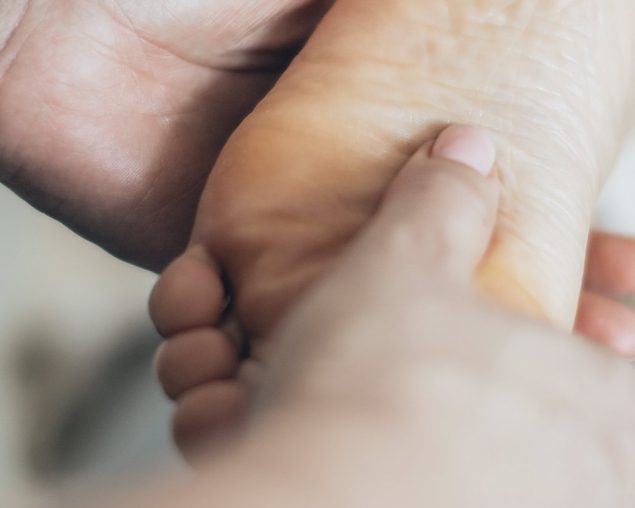
What are the benefits of using Reflexology
Reflexology is one of the core therapeutic approaches I offer from my clinic in Northam, near Bideford in North Devon, supporting women who are experiencing ongoing stress, tension and nervous system overload - designed to support nervous system regulation and lasting change.
I practise reflexology clinically, using the feet as a detailed map of the body, nervous system and emotional patterns. The feet offer immediate and honest information about how stress, strain and life experiences are being held physically and emotionally. This allows me to work with precision rather than assumption.
Sessions are slow, intentional and responsive. I am not following a routine. I am reading what your body is communicating and working accordingly.
Why Reflexology Is Central to Your Treatment Plan
Every part of the body is mapped onto the feet. These reflex points correspond to organs, glands and structural systems. Because the nervous system is constantly communicating between the brain and the body, working through the feet provides a calm and effective way to influence patterns of stress and tension without overwhelming the system.
If you are looking for reflexology in Bideford or North Devon that goes beyond surface relaxation, this approach is designed to support measurable, lasting change.
In my clinic, reflexology is not delivered as a routine sequence. It is responsive. I assess what your body is presenting on the day, notice where strain or dysregulation is being held, and work with precision to support regulation and recovery.
It often forms the foundation of your treatment plan because it provides clear feedback and allows structured progress over time.
How I Use Reflexology in this Work
Reflexology is often combined with other therapeutic techniques to support deeper regulation and integration, including:
- Hot stones to soften tension, improve circulation, and support the parasympathetic response
- Moxibustion to warm, stimulate, and strengthen areas of stagnation or depletion
- Gentle lymphatic drainage techniques to support detoxification and fluid movement
- Sound healing to support nervous system settling and energetic integration
These elements are introduced where appropriate and are guided by assessment, not preference.
Reading the Feet
Physical insight and emotional awareness
The feet hold information about posture, organ systems, hormonal balance, and nervous system tone, but they also reflect emotional patterns, coping strategies, and long held stress responses.
Part of my role is to interpret what is present and to share insights that help you understand what your body has been managing, often without conscious awareness. This is not diagnostic, but it is deeply informative and often clarifying.
Many people find this aspect of the work helps them make sense of symptoms, patterns, or feelings they have struggled to articulate.
Get in touch
If you are considering working together, the first step is to book an Initial Session & Assesment.
Sessions take place at my clinic in Northam, near Bideford in North Devon, offering clinical reflexology and Reiki therapy for women experiencing stress, tension and burnout. Many clients travel from Barnstaple and across North Devon, including Bishops Tawton, Umberleigh, South Molton, Braunton, Croyde, Fremington, Instow, Appledore, Westward Ho!, Bude and Exmoor.
Frequently asked questions
Everyone is different and the response to Reflexology can be immediate or sometimes take longer than one appointment, but often benefits can be seen after 4-5 sessions. Regular weekly treatments are best for the body properly beginning the self-healing process, and following an initial consultation I will suggest the number of Reflexology sessions I think we should undertake.
Reflexology sessions for individuals last 50 minutes and cost £60 per session. I also provide a limited number of appointments for those on low-income; contact me to enquire about availability.
Note that if you want to cancel an appointment I require 48 hours’ notice; otherwise you will still need to pay for any sessions missed. I accept payment in cash, by cheque or by bank transfer.
Reflexologists cannot claim to diagnose or cure, but during a treatment we get 'feedback' as to which parts of the body are working well and which are not. Sometimes Reflexology will highlight a specific area which is struggling or working hard to maintain your wellbeing; if a particular reflex point shows this kind of reaction I'll discuss it with you at the end of the session.
Reflexology is performed entirely on the feet, ankles or hands, so the most you’ll have to do is take off your socks and roll up your trousers! During the treatment the client lies on their back on a reclining chair, supported by pillows and covered with a soft blanket to keep them warm.
And don’t worry - reflexology doesn't tickle! Many clients come to me with ticklish feet or worried about their feet being touched, but find they can relax and enjoy the benefits of Reflexology.
You might find some areas feel sensitive to the touch, but Reflexology does not involve hard pressing in the way something like a sports massage might. As a therapist I will be aware of the status of your feet, noticing how they feel, the temperature and colour. All these things play a part in understanding which areas of your body - as reflected through your feet - require a bit more care and attention.
Not necessarily, but after an initial course of treatment many people choose to check in monthly for a top-up, to help maintain their general wellbeing, or as a scheduled 'de-stress'. Other clients will get back in touch if they start feeling aches and pains, arranging treatments as and when they need them.